
Strait of Hormuz Drink: What Is Hormuz Drink?
The phrase “Strait of Hormuz Drink” may refer to a drink, cocktail, beverage brand, or themed drink associated with the Strait of Hormuz. The Strait of Hormuz is a strategic waterway between the Persian Gulf and the Gulf of Oman, making its name recognizable around the world.
If you are searching for Hormuz Drink, it is important to identify the exact product or recipe because the name can be used in different contexts. A beverage marketed with a Hormuz-inspired name may have its own ingredients, flavor profile, packaging, and serving recommendations.
For wholesalers, retailers, restaurants, and beverage buyers, checking the product label and supplier information is essential before purchasing Hormuz Drink in bulk. Important details can include bottle or can size, case quantity, country of origin, ingredients, shelf life, storage requirements, and wholesale minimum order quantities.
For consumers looking for a themed beverage, a Strait of Hormuz Drink can also be an interesting concept for menus, events, or specialty beverage promotions. However, the exact recipe depends on the particular drink being referenced.
FAQ: Strait of Hormuz Drink
What is Strait of Hormuz Drink?
The term may describe a specific beverage, cocktail, or themed drink associated with the Strait of Hormuz. The exact meaning depends on the product or recipe.
What is Hormuz Drink?
Hormuz Drink may refer to a beverage sold under that name. Check the packaging or manufacturer for exact product details.
Is Hormuz Drink alcoholic?
Not necessarily. The name alone does not establish whether a drink contains alcohol.
Where can I find Hormuz Drink?
Availability depends on the specific product and market. Check beverage distributors, retailers, or the manufacturer’s information.
What should wholesalers check before buying Hormuz Drink?
Verify ingredients, packaging, origin, shelf life, case configuration, pricing, and applicable import requirements.
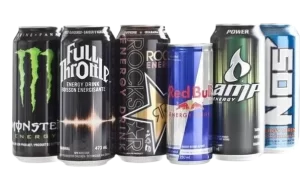
What the U.S.–Iran Conflict Means for Beer, Soft Drinks, Energy Drinks, Mineral Water, Whiskey, Vodka, Ciders, Seltzers, and Champagnes
The escalating tensions between the U.S. and Iran are sending shockwaves through the globalbeverage industry. From beerandwhiskeyshortages to rising prices on energy drinks and seltzers, the conflict is disrupting supply chains, increasing costs, and forcing businesses to rethink sourcing strategies. U.S Iran Conflict Impact On Beverage Industry 2026
In this 2,500-word deep dive, we’ll explore:
✅ How the U.S.–Iran conflict affects keybeverageingredients (barley, corn, citrus, sugar, and more) ✅ Supply chain disruptions (shipping delays, port closures, and sanctions) ✅ Price volatility (whiskey, vodka, beer, and sparkling wines) ✅ Alternative sourcing strategies for beverage manufacturers ✅ Consumer behavior shifts (rising demand for local and substitute products) ✅ Long-term industry implications (2026 and beyond)
By the end, you’ll understand which beverages are most at risk and how to future-proof your business in an era of geopolitical instability. U.S Iran Conflict Impact On Beverage Industry 2026
1. The U.S.–Iran Conflict: A Quick Recap (2024–2026) – U.S Iran Conflict Impact On Beverage Industry 2026
Before diving into the beverage industry’s challenges, let’s recap the key developments in the U.S.–Iran conflict that are impacting global trade:
1.1 Escalation in the Strait of Hormuz
- Iran has threatened to block theStrait of Hormuz—a critical chokepoint for 20% of the world’s oil and gas shipments.
- U.S. and allied naval patrols have increased, raising the risk of military confrontation.
- Oil tankers and cargo ships are being detained or attacked, leading to higher insurance premiums and longer shipping routes. Premium Whiskey and Champagne Wholesale for Bulk Distribution
1.2 Sanctions and Secondary Sanctions
- The U.S. has reimposed and expanded sanctions on Iran, targeting oil exports, banking, and shipping.
- Secondary sanctions mean that companies dealing with Iran (even indirectly) face penalties, forcing many to cut ties.
1.3 Cyberattacks and Sabotage
- Iran-backed hackers have targeted U.S. and European energy infrastructure, including refineries and ports.
- Sabotage of oil facilities (e.g., 2021 attack on Saudi Aramco) has disrupted supply chains.
1.4 Regional Proxy Conflicts
- Yemen’s Houthi rebels (backed by Iran) have attacked Red Sea shipping, forcing rerouting around Africa (Cape of Good Hope), adding 10–14 days to transit times.
- Lebanon’s Hezbollah and Iraqi militias have increased attacks on U.S. military and commercial interests, further destabilizing the Middle East.
1.5 Impact on Global Shipping Costs
- Freight rates have surged due to rerouted ships, higher insurance, and fuel costs.
- Container shortages and port congestion (e.g., Dubai, Jeddah, and Rotterdam) are delaying deliveries.
→ Bottom Line: The U.S.–Iran conflict is not just a regional issue—it’s a global supply chain crisis, and the beverage industry is feeling the squeeze.
2. How the Conflict Affects Key Beverage Ingredients – U.S Iran Conflict Impact On Beverage Industry 2026
The beverage industry relies on globalized supply chains for raw materials. Here’s how the U.S.–Iran conflict is disrupting key ingredients:
2.1 Beer: Barley and Hops Shortages
Beer is one of the most ingredient-dependentbeverages, relying on:
- Barley (for malt)
- Hops (for bitterness and aroma)
- Corn and rice (adjuncts in some lagers)
- Yeast (fermentation)
Supply Chain Risks:
| Ingredient | Primary Sources | Conflict Impact | Potential Shortage? |
|---|---|---|---|
| Barley | Ukraine, Russia, Canada, Australia | Ukraine war disrupts exports (Ukraine is the 4th largest barley exporter). Russia (a major barley supplier) is under sanctions. | Moderate to High (prices up 20–30%) |
| Hops | Germany, USA, Czech Republic | Germany (largest hop producer) faces energy shortages, increasing costs. U.S. hop farms in Pacific Northwest face shipping delays. | Moderate (prices up 15–25%) |
| Corn | USA, Brazil, Argentina | U.S. corn exports face delays due to Red Sea rerouting. Brazil’s corn crop is threatened by drought. | Moderate (prices up 10–20%) |
| Yeast | Europe, USA | Energy-intensive yeast production is affected by high natural gas prices in Europe. | Low to Moderate |
Beer Industry Response:
- Craft breweries are switching to local barley (e.g., U.S. Midwest, Australia).
- Large brewers (AB InBev, Heineken) are stockpiling ingredients to avoid shortages.
- Alternative grains (oats, sorghum) are being tested in gluten-free and low-carb beers.
→ Expected Impact:
- Craft beer prices up 10–15%
- Some smaller breweries may shut down due to high costs
- Lager and pilsner production may slow (barley-dependent styles)
2.2 Whiskey and Vodka: Grain and Oak Shortages
- Grains (barley, corn, rye, wheat)
- Oak barrels (for aging whiskey)
- Water (critical for distillation)
Supply Chain Risks:
| Ingredient | Primary Sources | Conflict Impact | Potential Shortage? |
|---|---|---|---|
| Barley (for Scotch & Irish Whiskey) | UK, Ireland, Canada | UK faces energy shortages, increasing production costs. Canada’s barley exports are delayed by port congestion. | Moderate (prices up 15–25%) |
| Corn (for Bourbon & American Whiskey) | USA (Kentucky, Tennessee) | U.S. corn exports face delays due to shipping disruptions. Drought in Midwest reduces yields. | Moderate (prices up 10–20%) |
| Rye (for Canadian & Polish Whiskey) | Canada, Poland | Poland (major rye producer) faces drought. Canadian rye exports are delayed by rail strikes. | Moderate |
| Oak Barrels (for Aging Whiskey) | USA (Missouri, Kentucky), France | U.S. oak forests face wildfires, reducing supply. French oak cooperages struggle with energy costs. | Moderate to High (barrels up 20–40%) |
| Water (for Distillation) | Local sources (e.g., Kentucky, Scotland) | Droughts in whiskey-producing regions (e.g., Scotland, Kentucky) reduce water availability. | Low to Moderate |
Whiskey & Vodka Industry Response:
- Bourbon distilleries are blending younger whiskeys to reduce oak barrel dependency.
- Vodka producers are switching to alternative grains (potatoes, grapes).
- Scotch distilleries are investing in water recycling to combat shortages.
→ Expected Impact:
- Whiskey prices up 15–30% (especially aged Scotch and Bourbon)
- Vodka prices up 10–20% (corn and wheat shortages)
- Limited-edition releases may disappear as distilleries prioritize core products
2.3 Energy Drinks: Caffeine and Citrus Shortages
Energy drinks rely on:
- Caffeine (synthetic or natural)
- Citrus extracts (for flavor)
- Taurine (often sourced from China)
Supply Chain Risks:
| Ingredient | Primary Sources | Conflict Impact | Potential Shortage? |
|---|---|---|---|
| Caffeine (Natural) | Brazil, India, China | Brazil (largest coffee producer) faces drought, reducing caffeine yields. Shipping delays increase costs. | Moderate (prices up 10–20%) |
| Citrus (for flavor) | Brazil, Mexico, USA (Florida) | Brazil’s citrus crops face greening disease. Florida’s citrus industry is struggling with labor shortages. | High (prices up 30–50%) |
| Taurine | China (90% of global supply) | China’s taurine exports face delays due to port congestion and sanctions risks. | Moderate to High |
Energy Drink Industry Response:
- Red BullandMonster are diversifying caffeine sources (e.g., tea-based caffeine).
- Smaller brands are reformulating recipes to reduce citrus dependency.
- Synthetic caffeine production is increasing in Europe and the U.S.
→ Expected Impact:
- Energy drink prices up 10–25%
- Limited-edition flavors may be discontinued
- Some brands may switch to artificial flavors
2.4 Soft Drinks: Sugar and Citrus Shortages
Soft drinks rely on:
- Sugar (beet and cane)
- Citrus extracts (for flavor)
- Carbon dioxide (CO₂) (for carbonation)
Supply Chain Risks:
| Ingredient | Primary Sources | Conflict Impact | Potential Shortage? |
|---|---|---|---|
| Sugar (Cane) | Brazil, India, Thailand | Brazil (largest sugar exporter) faces drought, reducing yields. Shipping delays increase costs. | Moderate to High (prices up 20–40%) |
| Sugar (Beet) | USA, Europe | European beet sugar production faces energy shortages. U.S. beet sugar is delayed by rail strikes. | Moderate (prices up 15–25%) |
| Citrus (for flavor) | Brazil, Mexico | Same as energy drinks (see above). | High |
| CO₂ (Carbonation) | USA, Europe (byproduct of ammonia production) | Ammonia plants (CO₂ source) face energy shortages, reducing supply. | Moderate (prices up 20–30%) |
Soft Drink Industry Response:
- Coca-ColaandPepsi are increasing local sugar production (e.g., U.S. beet sugar, European cane sugar).
- Artificial sweeteners (aspartame, sucralose) are being used more frequently.
- CO₂ recycling is being adopted to reduce dependency on industrial sources.
→ Expected Impact:
- Soda prices up 10–30%
- Limited-edition flavors may be cut
- Diet sodas may see price increases (due to artificial sweeteners)
2.5 Mineral Water: Plastic and Transportation Costs
Mineral water relies on:
- Plastic bottles (PET)
- Glass bottles (for premium brands)
- Transportation (trucking and shipping)
Supply Chain Risks:
| Ingredient/Material | Primary Sources | Conflict Impact | Potential Shortage? |
|---|---|---|---|
| PET Plastic (Bottles) | Middle East (Saudi Arabia, UAE), China | Middle East plastic production faces energy shortages. China’s exports are delayed by port congestion. | Moderate (prices up 15–25%) |
| Glass Bottles | Europe, USA | European glass production faces energy shortages. U.S. glassmakers struggle with natural gas costs. | Moderate (prices up 10–20%) |
| Transportation | Global shipping | Higher fuel costs and shipping delays increase distribution expenses. | High |
Mineral Water Industry Response:
- Brands likeEvianandPerrier are switching to lighter bottles to reduce plastic use.
- Local water brands (e.g., Poland Spring,Fiji Water) are gaining market share due to shorter supply chains.
- Aluminum cans are being adopted for carbonated waters (easier to transport).
→ Expected Impact:
- Bottled water prices up 10–25%
- Premium glass-bottled waters may see shortages
- Sparkling water brands may switch to cans
2.6 Ciders and Seltzers: Apple and Malt Shortages
Ciders and hard seltzers rely on:
- Apples (for cider)
- Malt and hops (for hard seltzers)
- Flavor extracts (natural and artificial)
Supply Chain Risks:
| Ingredient | Primary Sources | Conflict Impact | Potential Shortage? |
|---|---|---|---|
| Apples | USA, Europe, China | U.S. apple crops face drought. European apple production is affected by energy shortages. | Moderate (prices up 15–25%) |
| Malt (for Hard Seltzers) | USA, Canada, Europe | Same as beer (see above). | Moderate |
| Flavor Extracts | Global (often China) | China’s flavor exports face delays due to port congestion. | Moderate |
Cider & Seltzer Industry Response:
- Hard seltzer brands (WhiteClaw, Truly) are diversifying malt sources.
- Cider producers are using local apples (e.g., UK cider makers switching to British apples).
- Flavor companies are increasing synthetic alternatives.
→ Expected Impact:
- Cider prices up 10–20%
- Hard seltzer prices up 5–15%
- Limited-edition flavors may be discontinued
2.7 Champagnes and Sparkling Wines: Grape and Bottle Shortages
Champagneand sparkling wines rely on:
- Grapes (Chardonnay, PinotNoir, Pinot Meunier)
- Bottles (heavy glass for Champagne)
- Corks (natural or synthetic)
Supply Chain Risks:
| Ingredient/Material | Primary Sources | Conflict Impact | Potential Shortage? |
|---|---|---|---|
| Grapes | France (Champagne region) | French vineyards face energy shortages and labor shortages. Drought reduces yields. | Moderate to High (prices up 20–40%) |
| Bottles | Europe (France, Italy) | European glass production faces energy shortages. Shipping delays increase costs. | Moderate (prices up 15–25%) |
| Corks | Portugal, Spain | Portugal (largest cork producer) faces labor shortages. | Low to Moderate |
Champagne & Sparkling Wine Industry Response:
- Champagne houses (Moët&Chandon,VeuveClicquot) are reducing bottle weights to cut costs.
- Prosecco and Cava producers are gaining market share as alternatives.
- Synthetic corks and alternative closures are being tested. U.S Iran Conflict Impact On Beverage Industry 2026
→ Expected Impact:
- Champagne prices up 20–50% (especially vintage and prestige cuvées)
- Non-vintage Champagnes may see price increases
- Sparkling wine alternatives (Prosecco, Cava) may become more popular
3. Supply Chain Disruptions: Shipping, Ports, and Sanctions
The U.S.–Iran conflict is disrupting global shipping in several ways:
3.1 Red Sea and Suez Canal Rerouting
- Houthi attacks in the Red Sea have forced 90% of ships to reroute around Africa, adding 10–14 days to transit times.
- Suez Canal traffic is down 40%, increasing costs for Europe-Asia trade.
- Freight rates have surged (e.g., Shanghai to Rotterdam rates up 300%).
3.2 Port Congestion and Delays
- Major ports (Dubai, Jeddah, Rotterdam, Los Angeles) are overwhelmed due to:
- Rerouted ships
- Labor shortages
- Strikes (e.g., German dockworkers, U.S. rail workers)
- Delays of 2–4 weeks are common for beverage shipments.
3.3 Sanctions and Secondary Sanctions
- U.S. sanctions on Iran mean that companies dealing with Iranian ports (e.g., Bandar Abbas) face penalties.
- European companies are avoiding Middle Eastern routes to prevent secondary sanctions.
- Insurance premiums for Middle East shipments have tripled.
3.4 Fuel Costs and Carbon Emissions
- Rerouted ships burn more fuel, increasing carbon emissions and costs.
- EU’s Carbon Border Adjustment Mechanism (CBAM) may tax high-emission imports, further increasing costs.
→ Expected Impact on Beverage Shipments:
- Longer lead times (2–4 weeks extra)
- Higher shipping costs (15–30% increase)
- Increased risk of spoilage (for perishable ingredients like citrus and hops)
4. Price Volatility: Which Beverages Will Get More Expensive?
U.S Iran Conflict Impact On Beverage Industry 2026