
Are Soft Drinks Bad for You?
Are soft drinks bad for you? The answer depends largely on the type of soft drink, how much you consume, and how frequently you drink it. Regular sugary soft drinks can contain significant amounts of added sugar and calories, so drinking them frequently may contribute to excessive sugar and calorie intake.
Is Pepsi bad for you? Pepsi and similar cola drinks can be enjoyed occasionally, but regular consumption of sugar-sweetened cola can add substantial amounts of sugar to the diet. Cola products may also contain caffeine, which can affect people differently.
So, is fizzy pop bad for you? Fizzy pop is a broad term covering carbonated drinks, including cola, lemonade, orange soda, and other sparkling beverages. Sugar-free or zero-sugar versions generally contain little or no sugar, although their ingredients and nutritional profiles differ from regular varieties.
For people who enjoy soft drinks, moderation can be a practical approach. Water, unsweetened tea, and other low- or no-sugar beverages can also be useful choices for everyday hydration.
FAQ: Are Soft Drinks Bad for You?
Are sugary soft drinks unhealthy?
Frequent consumption can increase added-sugar and calorie intake, so moderation is important.
Is Pepsi bad for you?
Regular Pepsi contains sugar and should generally be consumed in moderation as part of an overall balanced diet.
Is fizzy pop bad for your teeth?
Sugary and acidic fizzy drinks can contribute to dental problems, particularly with frequent consumption.
Are zero-sugar soft drinks better?
They contain little or no sugar, but individual nutritional and ingredient profiles vary.
How often should I drink soft drinks?
Consider keeping sugary soft drinks occasional rather than making them your main everyday beverage.
Are soft drinks bad for your health? It’s a question that pops up quicker than a shaken soda. From energy spikes to dental drill-doom, the headlines scream “beware.” But the truth isn’t a single flavor—it’s a spectrum of effects depending on how you drink, how often, and what else you sip with it. Are Soft Drinks Bad for Your Health
What’s in a Can (and Why It Matters)
– Sugar: Most regular sodas pack a surprising sugar punch. A single 12-ounce can can contain around 39 grams of sugar. That’s roughly 10 teaspoons of sweetness, which can spike blood sugar and drive cravings later.
– Empty calories: When you drink your calories, you’re less satisfied than when you eat them. That can lead to overconsumption over the day.
– Acid and enamel erosion: The citric and phosphoric acids in many soft drinks can wear down tooth enamel with frequent exposure.
– Caffeine and stimulants: Some sodas have caffeine, which can affect sleep, anxiety, and heart rate in sensitive individuals or in excess.
– Additives: Colorings, preservatives, and artificial flavors vary by brand; some people notice digestive or allergic reactions to certain ingredients. Are Soft Drinks Bad for Your Health
Are Soft Drinks Bad for Your Health? A Nuanced Take
– Short answer: Not inherently bad for everyone, but regular, high-volume consumption is associated with risks such as weight gain, poor dental health, and metabolic concerns.
– For occasional enjoyment: A small glass now and then is unlikely to cause harm if you overall have a balanced diet and good oral care.
– For daily drinkers: High intake can contribute to excess calories, glucose spikes, and dental erosion. It’s wise to consider replacements or reductions.
Strategies to Enjoy Without the Guilt (or the Aftertaste)
– Swap some, not all: If you love fizzy drinks, try mixing a splash of soda with water or using flavored sparkling water as a base.
– Dilute it: Add ice and a squeeze of lemon or lime to reduce the perceived sweetness.
– Choose better options: Diet sodas often reduce sugar but come with other concerns; look for drinks with low or no added sugars and check labels for caffeine content.
– Aim for visibility: Keep water or unsweetened tea close at hand so you reach for healthier options automatically.
– Practice mindful sipping: Drink slowly, savor flavor, and crew up your mealtime routine so you don’t rely on sodas to “finish” a meal.
When to Seek the Real Advice
– If you have diabetes, prediabetes, or kidney issues, consult a clinician about beverage choices.
– If you notice digestive upset or headaches linked to certain soft drinks, consider an elimination trial and speak with a healthcare professional.
Bottom Line: Are soft drinks bad for your health?
Are soft drinks bad for your health? The answer isn’t a hard yes or no. They’re fine in moderation for many people, but frequent, high-volume consumption can contribute to health concerns. Balance, mindful choices, and smarter sipping habits are your best defense.
Want to read more? Explore how to build a healthier beverage routine without sacrificing your favorite fizz.
What are the most popular soft drinks brands
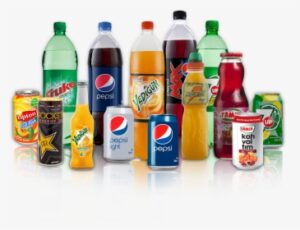
If you’ve ever found yourself staring at a grocery-store aisle lined with cans and bottles, you’ve likely asked yourself a simple question: What are the most popular soft drinks brands? The answer isn’t just about sales numbers; it’s a snapshot of culture, marketing genius, and the tiny rituals of everyday life. From classic cola to zesty citrus, the brands that top the charts shape our thirst, our memories, and even our social moments.
Top contenders: the brands that dominate shelves (and taste tests)
– Coca-Cola: The timeless icon
Coca-Cola isn’t just a soda; it’s a consumer phenomenon. Its classic formula, global distribution, and savvy marketing have kept it at the top for decades. When people ask what are the most popular soft drinks brands, Coca-Cola is usually the default answer—an emblem of consistency, endurance, and a little nostalgia in every sip.
– Pepsi: The challenger with swagger
Pepsi has carved out its own space by courting youthful energy, bold campaigns, and a more citrus-forward flavor profile. It’s the inevitable “second act” to Coca-Cola in many markets, yet it remains massively influential worldwide.
– Sprite and 7Up (lemon-lime rivals)
The lemon-lime segment is where Sprite and 7Up shine. They’re often the go-to caffeine-free, refreshing options, especially in hot climates or when paired with meals. These brands are popular for their clean, bright taste and broad, family-friendly appeal.
– Fanta: Fruity, colorful, global
Fanta’s fruit-forward lineup makes it a hit in regions that crave variety and playful flavors. Its bright branding and local flavor adaptations (think mango, strawberry, or grape in different countries) keep it a top pick in many lists of popular soft drinks brands.
– Dr Pepper: The distinctive odd-one-out
Dr Pepper stands out with a unique blend of 23 flavors. Fans love its complexity and originality, which helps it maintain a loyal following even as mainstream brands dominate the shelves.
– Mountain Dew: The bold, high-energy choice
Mountain Dew appeals to several demographics with its citrus bite and high-energy branding. It’s a staple for those who want something that feels exciting and a bit rebellious.
– Sparkling variety brands from Snapple, RC Cola, and regional players
Beyond the mega-brands, regional favorites and specialty sodas play a crucial role in what are the most popular soft drinks brands in certain markets. Snapple brings tea-inspired sodas to a broader audience, while RC Cola and regional labels offer nostalgic options for long-time fans.
Why these brands stay on top
– Consistency and trust
People return to brands they recognize. A familiar taste paired with reliable packaging and availability creates a sense of comfort and trust.
– Global reach and localization
The biggest brands succeed by being everywhere, but they also adapt. Local flavors, regional marketing, and distribution networks ensure they stay relevant across continents.
– Marketing and emotional branding
Iconic logos, memorable slogans, and association with celebrations, sports, and pop culture keep these brands in the public eye. The emotional resonance often matters as much as taste.
– Product family and diversification
A broad portfolio—diet versions, caffeine-free options, flavored varieties—lets a single brand cover many consumer needs without losing brand equity.
Regional flavor: how popularity shifts by place
What are the most popular soft drinks brands in one country might look different from another. In some regions, cola dominates, while in others, fruit-flavored drinks or tea-based sodas steal the show. Economic factors, local tastes, and even climate influence which brands lead the pack. For example, in tropical areas, lemon-lime and fruit-forward sodas often outperform heavier colas, while in many European markets, lighter mixers with broader flavor options help brands stay in rotation year-round.
What this says about consumer trends
– Health and wellness pressures
Diet and zero-sugar variants remain crucial. The popularity of low- or no-calorie versions shows that consumers want familiar brands but lighter options.
– Flavor experimentation
Consumers aren’t just sticking to one flavor. Seasonal releases, limited editions, and regional flavors keep brands exciting and encourage trial.
– Brand loyalty vs. novelty
While brand loyalty is strong, new entrants and reformulations can shift rankings. The most popular soft drinks brands tend to balance tradition with fresh experiences.
Practical tips for choosing among the big names
– Consider your context
If you’re pairing with a meal, a classic cola or a light lemon-lime option often works best. For a party or mixed drinks, more diverse flavors can be fun.
– Check labels for sugar and caffeine
If you’re monitoring intake, compare sugar content and caffeine levels across brands and variants.
– Explore regional options
Local or regional flavors can offer surprising quality and value, sometimes surpassing global staples in taste.
Bottom line
What are the most popular soft drinks brands? The short answer is: it depends on where you are and what you value—taste, tradition, health considerations, or novelty. Still, the heavyweight titans—Coca-Cola, Pepsi, Sprite, 7Up, Fanta, Dr Pepper, Mountain Dew, and other regional favorites—consistently top global charts and shape the way we sip, share, and savor moments every day.
If you’re curious, take a quick taste test experiment: pick two brands you’re curious about, compare their flavors side by side, and note which one you reach for more often in different contexts. You might discover not just which brand dominates your palate, but what your preferences say about your soft-drink style. What are the most popular soft drinks brands? The answer may vary, but your own rankings can be a fun personal map of taste.
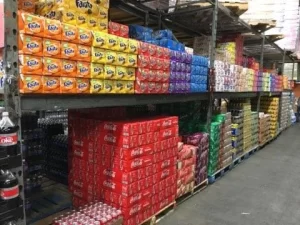
Soft Drinks Wholesale Suppliers and Distributors: A Clever Guide to Finding the Right Partner
In the fast-paced world of beverages, choosing the right Soft Drinks Wholesale Suppliers and Distributors can make or break your business. Whether you’re running a corner shop, a cafe, a school, or a large hospitality operation, the right partner ensures consistent stock, competitive pricing, and timely delivery. Here’s a smart, concise guide to navigating the landscape and spotting a truly reliable collaborator.
1) Why the right supplier matters
– Consistency is king: Soft drinks are often purchased on a recurring basis. A dependable supplier keeps your shelves full without outages.
– Brand variety vs. private labels: Some distributors specialize in a broad range of brands, while others offer private-label or exclusive lines. Decide which mix aligns with your customers.
– Lead times and reliability: Fast, predictable delivery reduces stockouts and spoilage, especially for limited-edition flavors or seasonal promos.
2) What to look for in Soft Drinks Wholesale Suppliers and Distributors
– Range and availability: Ensure they carry the brands and flavors you need, plus the ability to source new or regional products.
– Pricing and terms: Compare unit costs, volume discounts, and payment terms. Don’t forget to ask about seasonal price fluctuations and promo pricing.
– Minimum order quantities (MOQs): Some wholesalers require large MOQs; others are flexible for small businesses. Choose what fits your operation.
– Delivery footprint and logistics: Check shipping times, order cutoffs, and whether they offer drop shipping, cross-docking, or local delivery.
– Inventory management support: Some partners provide order automation, a digital catalog, or real-time stock alerts to avoid surprises.
– Compliance and quality: Verify food-grade handling, shelf-life guarantees, and compliance with local regulations.
3) How to evaluate potential partners
– Request a trial period: Place a few mixed orders to test accuracy, packaging, and delivery punctuality.
– Check references: Speak with other retailers or operators who use the supplier to understand consistency and service quality.
– Compare value, not just price: A slightly higher unit price with better service levels, fresher stock, or easier ordering can save money in the long run.
– Assess after-sales support: How quickly do they resolve issues like damaged goods, wrong items, or billing discrepancies?
4) Tips for negotiating with Soft Drinks Wholesale Suppliers and Distributors
– Bundle and tier pricing: Negotiate discounts for a mix of brands or multiple SKUs to increase your margin.
– Seasonal and promotional flexibility: Ask for promotional allowances, buy-downs, or co-op marketing support for peak seasons.
– Clear service-level expectations: Define delivery windows, stock availability guarantees, and replacement policies for damaged items.
– Transparent invoicing: Seek itemized invoices, clear freight charges, and a straightforward dispute process.
– Long-term partnerships: If you anticipate growing volume, propose tiered pricing tied to forecasted purchases.
5) Trends shaping Soft Drinks Wholesale Suppliers and Distributors
– Healthier and functional options: Beyond classic sodas, retailers are looking for lower-sugar, zero-sugar, or functional beverages (electrolyte, caffeine alternatives) to attract diverse customers.
– Private-label growth: Some operators prefer house brands for margin control and differentiation.
– E-commerce and digital ordering: Online catalogs, digital invoices, and real-time stock visibility are becoming standard.
– Sustainable packaging: Eco-conscious businesses reward suppliers with recyclable or reusable packaging and clamshells with lower plastic content.
– Local and craft partnerships: Local distributors that can source regional brands help retailers offer unique options and reduce lead times.
6) Where to start your search
– Industry directories and trade shows: Look for reputable wholesale platforms and network with distributors at beverage expos.
– Referrals from peers: Other retailers, cafes, or event organizers can share experiences with Soft Drinks Wholesale Suppliers and Distributors.
– Online marketplaces with verification: Choose suppliers with verified credentials, transparent catalogs, and clear return policies.
– Direct manufacturer partnerships: Some brands offer wholesale distribution through their own networks; this can streamline branding and promotions.
7) Red flags to avoid
– Unreliable delivery or inconsistent stock: Repeated delays or backorders disrupt operations.
– Hidden fees: Unexpected freight, handling, or late payment penalties can erode margins.
– Poor product quality control: Damaged, expired, or stale stock undermines customer trust.
– One-size-fits-all terms: If terms rigidly favor the supplier over you, the relationship may be unbalanced.
8) Practical steps to finalize a partnership
– Create a short list of 3–5 Soft Drinks Distributors that meet your criteria.
– Prepare your forecast: Estimate monthly volumes, peak periods, and seasonal demand to test supplier capacity.
– Pilot program: Run a 60–90 day trial with a defined order cadence and performance metrics.
– Define SLAs: Establish delivery windows, stock guarantees, and resolution timelines for issues.
– Review and scale: After the trial, compare total cost of ownership, service quality, and sales impact before committing long-term.
9) A quick decision checklist
– Do they carry the brands and SKUs you need?
– Can they meet your MOQs and delivery schedule?
– Are pricing, terms, and promotions competitive?
– Is their customer support responsive and effective?
– Do they align with your sustainability and packaging preferences?
Conclusion
Finding the right Soft Drinks Wholesale Suppliers and Distributors isn’t just about price—it’s about a reliable partnership that keeps shelves stocked, margins healthy, and customers satisfied. By evaluating range, terms, delivery performance, and support, you’ll be well on your way to a collaboration that supports growth and simple, smooth operations.
If you’d like, tell me your business type, typical order size, and target regions, and I can help tailor a shortlist of potential suppliers and a sample comparison sheet.