
When Should I Drink an Energy Drink?
Knowing when should I drink an energy drink can help you avoid unwanted effects from caffeine while choosing a convenient time for an energy boost. Energy drinks vary in caffeine content and ingredients, so always check the product label and consider your personal caffeine tolerance.
Many people choose an energy drink in the morning or early afternoon, particularly when they need alertness during a busy day. Drinking caffeine too late can interfere with sleep, so it is generally sensible to avoid energy drinks close to bedtime.
When should you drink a Celsius? Celsius energy drinks contain caffeine and are often marketed toward active lifestyles. Some people choose them before exercise or during the day, but the appropriate timing depends on your caffeine tolerance, activity, and the rest of your daily caffeine intake.
When should I drink Red Bull? Red Bull can be consumed when an energy boost is desired, but it is important to consider its caffeine content and avoid combining it with excessive amounts of other caffeinated beverages.
FAQ: When Should I Drink an Energy Drink?
When is the best time to drink an energy drink?
Morning or early afternoon can be convenient times, while avoiding caffeine close to bedtime may help protect sleep.
When should you drink a Celsius?
Some people drink it before activity or during the daytime. Check the label for caffeine content.
When should I drink Red Bull?
It can be consumed during the daytime when desired, while keeping total daily caffeine intake in mind.
Can I drink an energy drink before exercise?
Some people do, but consider the caffeine amount, other caffeine sources, hydration, and your individual tolerance.
Can energy drinks affect sleep?
Yes. Caffeine can interfere with sleep, particularly when consumed later in the day.
We’ve all been there: a mid-afternoon slump, a long workout, or a late-night deadline looming. Energy drinks promise a quick pick-me-up, but timing can make or break how effective they are—and how you feel later. Here’s a concise guide to help you decide when to drink an energy drink without overdoing it. When should I drink an energy drink
Key timing ideas
– Before a workout or intense physical activity
A moderate caffeine boost can improve focus and performance. Sip 30–60 minutes before you start, and don’t exceed the recommended serving size.
– During long study sessions or mentally demanding tasks
If you’re cramming or tackling a complex project, a time-limited energy boost can help maintain alertness. Use it as a short-term aid, not a substitute for breaks or sleep.
– When you’re fighting a real sleep debt
If you’re genuinely sleep deprived, caffeine can help you stay awake temporarily, but don’t rely on it to replace rest. Plan to address the root cause of fatigue.
– When you’re traveling or on shift work
Irregular hours can disrupt your circadian rhythm. An energy drink can help you adjust temporarily, but avoid chaining them together or using them as a substitute for proper rest.
– After a workout break or fatigue lull
If you’re feeling a post-workout slump, a light energy boost might help you push through cooldowns or chores. Keep it moderate and hydrated.
When to avoid or limit
– Late in the day
Caffeine too close to bedtime can disrupt sleep. If you’re sensitive to caffeine, skip an energy drink in the late afternoon or evening.
– If you’re caffeine-sensitive or have medical concerns
People with heart rhythm issues, high blood pressure, anxiety, or certain medications should consult a clinician before consuming energy drinks.
– If you’ve already had caffeine
Don’t stack energy drinks with coffee or other caffeine sources in a short period. It’s easy to overconsume caffeine and experience jitters, heart palpitations, or headaches.
– If you’re under 18 or pregnant/breastfeeding
Most guidelines advise limiting caffeine intake in these groups; check with a healthcare professional.
Practical tips for smarter use
– Read the label
Check caffeine content per serving and any added sugars, herbal stimulants, or electrolytes.
– Stay hydrated
Water or electrolyte drinks help prevent dehydration, which can amplify headaches and fatigue when caffeine wears off.
– Use energy drinks as a tool, not a habit
Reserve them for specific needs (focus, performance, alertness) and avoid daily reliance.
– Pair with healthy habits
A brief power nap, a short walk, or a glass of water can sometimes replace an energy boost and feel better in the long run.
– Know your limit
If you notice jitters, anxiety, upset stomach, or palpitations, scale back or skip the drink.
A simple guidance line
When should I drink an energy drink? Use it strategically: before demanding physical or mental tasks that require a temporary boost, and avoid using it as a regular substitute for sleep or a daily habit.
Bottom line
Energy drinks can be helpful for short, timed boosts, but timing, dosage, and personal tolerance matter. Plan ahead, keep it moderate, and listen to your body. If in doubt, consult a healthcare professional about what’s best for you.
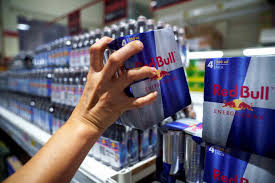
What are the most popular energy drink brands
If you’ve ever scrolled a convenience-store shelf or scrolled your social feed during a long workday, you’ve probably wondered: What are the most popular energy drink brands? The answer isn’t a single knock-out brand, but a relatable mix of global giants, rising challengers, and niche favorites that dominate shelves, sponsorships, and social conversations. Here’s a clever tour through the top players, what makes them stand out, and which one might be right for you.
Why these brands tend to dominate
– Ubiquity: Big brands invest in wide distribution, constant product updates, and eye-catching packaging that makes them easy to spot.
– Marketing muscle: Endorsements, sports partnerships, and influencer campaigns keep them front and center.
– Product variety: From sugar-forward formulas to zero-sugar or “functional” lines, they cover broad consumer preferences.
– Perceived effectiveness: Taste, caffeine content, and branding all shape who people reach for in a pinch.
What are the most popular energy drink brands (big players)
– Red Bull: The original gatekeeper
– Why it’s popular: Pioneered the energy drink category and remains a global reference point. It’s consistently available, with a clean, recognizable taste and a broad portfolio (including sugar-free and flavored variants).
– Who it’s for: Those who want a reliable, no-nonsense pick-me-up and strong brand trust.
– Monster Energy: The bold, diversified option
– Why it’s popular: A massive lineup (Monster, Ultra, juice-infused lines, and energy shots) plus strong motorsport and music sponsorships. Distinctive edgy branding appeals to a wide audience.
– Who it’s for: Fans who want a high-energy vibe and a broad flavor/lineup to choose from.
– Rockstar Energy: The lifestyle companion
– Why it’s popular: Long-standing player with a heavy emphasis on extreme sports and a youthful, rebellious image. Offers a range of flavors and varieties.
– Who it’s for: Brand loyalists who want a robust flavor and energetic branding aligned with action sports culture.
– Bang Energy: The flavor-forward disruptor
– Why it’s popular: Aggressive marketing around zero sugar, high taste variety, and marketing claims (e.g., electrolyte blends, zero calories with added caffeine). Strong social media presence.
– Who it’s for: People seeking intense flavors and a modern, influencer-driven vibe.
– 5-hour Energy: The compact energy boost (shot)
– Why it’s popular: Convenience and a quick caffeine hit in a tiny bottle. Consistency and a focus on a fast, no-frills experience.
– Who it’s for: Busy folks who want a fast boost without sipping a big can.
– NOS: The performance tilt
– Why it’s popular: Historically associated with speed-and-performance branding; strong caffeine delivery with unique flavor options.
– Who it’s for: People who want a compact, high-caffeine option with a legacy in the energy space.
– Celsius: The fitness-forward option
– Why it’s popular: Positioned as a “fitness energy” drink with marketed metabolism and wellness angles, zero caffeine crash promises, and a growing wellness-conscious crowd.
– Who it’s for: Health-minded consumers who want energy with a lighter, more “clean-label” brand story.
– Greenlight and other regional favorites
– Why they’re popular: Regional brands often lean into local flavors, sponsorships, and cultural fit. They’re a reminder that popularity can be local as well as global.
– Who they’re for: Consumers looking for something familiar from their own region or seeking alternatives to the mega-brands.
What to consider when you choose
– Caffeine content: If you’re sensitive to caffeine, check the milligrams per can or bottle. Some brands offer lighter options or energy shots with varied caffeine levels.
– Sugar vs. sugar-free: Traditional formulas often come with sugar; many brands also offer zero-sugar or naturally sweetened variants. Consider your tolerance, dietary goals, and how you feel after consuming sugar.
– Additives: Some drinks tout added electrolytes, vitamins, or amino acids. Decide what actually matters to you (hydration, focus, performance) and read ingredient lists.
– Flavor and aftertaste: Taste drives repeat purchases. If you dislike a brand’s flavor profile, you’ll likely skip it even if it’s highly rated.
– Brand alignment: If you care about branding, sponsorships, or lifestyle messaging, you may be drawn to certain brands over others.
Regional nuance: popularity isn’t universal
What are the most popular energy drink brands can vary by country, city, or even retailer. Red Bull and Monster dominate many markets, but local favorites and region-specific flavors can shift the lineup dramatically. Always peek at what your local shop stocks and what people around you are sipping.
What not to overlook
– You’re not just choosing taste; you’re choosing impact. Prolonged high caffeine intake can cause sleep disruption or jitters for some people. Moderation matters.
– Different purposes call for different products. A quick 5-hour Energy shot might suit a long day at work; a flavored Monster Ultra might be your go-to for road trips; Celsius could be the pick for gym sessions.
– Reading labels pays off. Look for caffeine milligrams, sugar content, and any proprietary blends that may affect how the drink behaves in your system.
A quick guide to picking your top “What are the most popular energy drink brands” flavor
– If you want broad availability and a classic flavor: Red Bull or Monster.
– If you want edgy branding and lots of flavor options: Bang Energy or Rockstar.
– If you want a sugar-free, modern fitness vibe: Celsius or Monster Ultra.
– If you want a quick, small boost on the go: 5-hour Energy shot.
Bottom line
What are the most popular energy drink brands? The list is led by global giants like Red Bull, Monster, and Rockstar, with newer players like Bang and Celsius expanding the conversation. Your best pick depends on taste, caffeine tolerance, sugar preference, and the lifestyle you want the brand to reflect.
Want to dive deeper? Tell me what you value most in an energy drink (taste, caffeine load, fitness branding, or price), and I’ll tailor a short list of the current top picks that fit you best.
Energy Drinks Wholesale Suppliers and Distributors: A Clever Guide to Sourcing Energized Success
If you’re in the beverage game, knowing where to find reliable Energy Drinks Wholesale Suppliers and Distributors can be the difference between stockouts and steady profits. This guide digs into the essentials, from spotting trustworthy partners to optimizing orders for peak performance.
1) Why you should work with wholesale suppliers and distributors
– Consistency and volume: Wholesale suppliers can deliver in larger quantities at lower per-unit costs, smoothing cash flow and shelf availability.
– Variety on demand: Distributors often carry multiple brands and flavors, giving you breadth without juggling dozens of supplier relationships.
– Compliance and quality: Reputable distributors handle regulatory paperwork, labeling standards, and product recalls, reducing risk.
– Logistics that scale: Experienced distributors coordinate cold-chain requirements, freight terms, and delivery schedules to fit your store or route.
2) Core differences: Energy Drinks Wholesale Suppliers, Distributors
– Energy Drinks Wholesale Suppliers: Typically sell in bulk to retailers, bars, gym chains, or other businesses. They often require higher minimum order quantities and provide bulk pricing, private label options, or exclusive lines.
– Energy Drinks Distributors: Act as the intermediary between manufacturers and retailers. They may offer a broader catalog, stock cross-brand items, promo materials, and more flexible order sizes. They optimize stock turnover by channeling demand across retailers.
3) How to evaluate potential partners
– Brand breadth and exclusivity: Do they carry the brands you want? Can they offer exclusive SKUs or limited-edition runs?
– Price transparency: Clear terms, bulk discounts, return policies, damaged-goods handling, and freight costs.
– Lead times and reliability: On-time delivery rates, minimum lead times, and real-time stock visibility.
– Compliance track record: Proper labeling, nutrition facts accuracy, tamper-evident seals, and adherence to local beverage regulations.
– Support services: Merchandising, promotional materials, in-store signage, point-of-sale display setups, and marketing co-ops.
– Financial terms: Payment terms, credit lines, and dispute resolution processes.
4) Practical steps to onboard the right Energy Drinks Wholesale Suppliers and Distributors
– Define your needs: target brands, flavors, estimated monthly volume, delivery frequency, and geographic reach.
– Request samples and literature: verify taste, packaging, and shelf life before committing.
– Check references: talk to other retailers about reliability, responsiveness, and support quality.
– Negotiate terms: aim for favorable bike-shedding on price breaks, promotional allowances, and return policies.
– Pilot program: start with a small, controlled order to validate service levels before expanding.
5) Tips to maximize margins and shelf impact
– Mix and match strategy: Combine fast-moving brands with high-margin niche flavors to balance turnover and profitability.
– Seasonal and promo planning: Plan ahead for back-to-school, summer launches, and sport/event campaigns; request co-op promos from your distributor.
– Planogram discipline: Work with your supplier to design shelf layouts that boost visibility for high-margin products.
– Inventory discipline: Use safety stock policies to prevent stockouts without overstocking slow movers.
– Cross-channel consistency: If you sell online and in-store, ensure your distributor can support multi-channel fulfillment and accurate SKU-level data.
6) Trends shaping Energy Drinks Wholesale and Distribution
– Health-forward innovations: Reduced sugar, natural caffeine, adaptogens, and functional ingredients influence catalog choices.
– Private-label growth: Retailers seek own-brand energy drinks for control over pricing and margins.
– Sustainable packaging: Eco-friendly packaging and recycling programs are increasingly valued by buyers and end consumers.
– Global flavor diversification: International brands entering new markets with local flavor profiles to capture regional preferences.
– Regulation-aware sourcing: Compliance with labeling, caffeine limits, and age restrictions remains a priority for risk management.
7) Regulatory and compliance considerations
– Label accuracy: Nutrition facts, ingredients, allergen statements, and caffeine content must be precise.
– Child-safety rules: Some regions restrict sales to minors or require age-verification at the point of sale.
– Caffeine limits: Be aware of jurisdictional caps on caffeine per serving and per package.
– Claims and labeling: Avoid unverified health claims; ensure marketing aligns with regulatory guidelines.
– Recall readiness: Have a clear process with your Energy Drinks Wholesale Suppliers and Distributors in case of product withdrawals.
8) Building a durable supplier relationship
– Transparent communication: Regular check-ins about stock, lead times, and upcoming promotions.
– Mutual goals: Align on targets like turnover, launch dates for new flavors, and seasonal campaigns.
– Performance dashboards: Share metrics on fill rate, on-time delivery, and defect rates to drive continuous improvement.
– Collaboration mindset: View suppliers as partners who help you grow category revenue, not just vendors.
9) Quick decision checklist
– Do they offer the brands and flavors you need, with reliable stock?
– Are terms clear on price, freight, returns, and credits?
– Do they provide inventory visibility and responsive support?
– Is their compliance and quality program robust?
– Can they support your growth with promotions and merchandising?
10) Case example: A mid-size retailer scales with Energy Drinks Wholesale Suppliers and Distributors
A regional chain partnered with a distributor carrying a broad range of mainstream and heritage brands. They implemented a pilot with a small set of SKUs, negotiated a promotional allowance, and set up automatic reordering based on sales velocity. Within six months, they achieved:
– 12% margin lift on participating SKUs due to promotional support and better shelf placement
– 98% on-time delivery rate, reducing stockouts
– Streamlined returns and credits, minimizing waste and write-offs
Conclusion
Choosing the right Energy Drinks Wholesale Suppliers and Distributors is about aligning product variety, pricing, reliability, and support with your business goals. A thoughtful partnership can boost assortment, margins, and customer satisfaction while keeping risk in check. Start with clear requirements, vet candidates carefully, and pilot partnerships to unlock energized growth for your business.