
How to Store Whisky: Best Way to Store Whiskey
Knowing how to store whisky correctly can help preserve its quality, aroma, and character for years. Whether you have Scotch whisky, Irish whiskey, bourbon, or another style, proper storage is important once the bottle has been opened or purchased for long-term keeping.
The best way to store whiskey is upright in a cool, stable environment away from direct sunlight. Unlike wine, whisky and whiskey bottles should generally not be stored lying on their sides because prolonged contact between high-strength alcohol and the cork can affect the closure.
Temperature stability is also important. Avoid locations exposed to extreme heat, freezing temperatures, or frequent temperature changes. A cupboard, cabinet, or dedicated drinks storage area can provide suitable conditions. Keep bottles away from windows and strong artificial light because prolonged exposure to light may negatively affect the spirit’s appearance and quality.
For opened bottles, make sure the cap or cork is firmly sealed to reduce air exchange. If a bottle becomes nearly empty, transferring the remaining whisky to a smaller suitable glass bottle can reduce the amount of air inside.
FAQ: How to Store Whisky
Should whisky be stored upright?
Yes. Whisky is generally best stored upright to minimize prolonged alcohol contact with the cork.
Can whisky be stored in the refrigerator?
It is usually unnecessary. A cool, stable room-temperature environment is more suitable.
Should whiskey be kept away from sunlight?
Yes. Store bottles in a dark or shaded location.
Does opened whiskey go bad?
Properly stored whiskey can remain drinkable for a long time, although its flavor may gradually change after opening.
What is the best way to store whiskey long term?
Keep it upright, tightly sealed, cool, stable, and away from direct sunlight.
If you’ve ever stood in front of a shelf of whiskey bottles and thought, “How should I store whiskey to keep it at its best?” you’re not alone. Storage isn’t just about keeping liquid in a bottle; it’s about protecting the whiskey’s character, aroma, and smoothness so you can enjoy it the way the distiller intended. Here’s a practical, clever guide to help you store whiskey like a pro. How should I store whiskey
1) Start with the bottle and cork (or cap)
– Upright versus horizontal: A bottle’s cork is not a wine cork. Most whiskey bottles use a synthetic cap or a cork designed to be almost hermetic. Unlike wine, whiskey doesn’t need to breathe. Store bottles upright to minimize the cork’s exposure to alcohol and to prevent contamination from any cork residue.
– Seal matters: Ensure the cap or cork is snug. A loose seal can allow a trickle of air in over time, which can slowly alter flavor and aroma. If the seal looks degraded, consider transferring the whiskey to a bottle with a better seal. How to Store Whisky
2) Light and temperature: the dynamic duo you should respect
– Light: UV light can degrade whiskey, softening flavors and accelerating chemical reactions you don’t want. Store bottles away from direct sunlight and bright indoor lighting. A dark cabinet, a high shelf, or a dedicated liquor locker is ideal. How to Store Whisky
– Temperature: Aim for a stable, moderate temperature—roughly 60–65°F (15–18°C) is a comfortable range for most whiskeys. Avoid rapid temperature swings, as repeated heating and cooling can drive moisture in and out and slowly dull flavors. whiskey wholesale online
– Humidity: Whiskey doesn’t care about humidity the way wine does, but extremely dry conditions can dry out corks in older bottles and introduce air. A typical indoor humidity level is fine.
3) Do the “space and stack” ritual
– Shelf layout: Keep bottles upright and in a designated area where they won’t be jostled. Close-packed shelves can risk accidental knocks and temperature fluctuations in a small, enclosed space.
– Label visibility: Store bottles with labels facing outward so you can quickly spot what you want. This saves time and reduces the temptation to open something you don’t actually want.
– Stand confident, not crowded: If possible, give each bottle a little breathing room. A crowded shelf can be hard to manage and increases the chance of spills or accidental exposure to light or heat. How should I store whiskey
4) The big question: “Do I need to refrigerate?” (rarely)
– Generally, whiskey does not need refrigeration. In fact, refrigeration can dull aroma and introduce a chill that lessens the perception of flavor. If you insist on a chilled dram, a quick chill in the glass or a short, light chill in the bottle for a specific date is fine, but not as a standard storage practice.
– For specialized situations (cask-strength or high-proof bottles), some collectors keep a spare, slightly cooler environment to slow gradual aging in the bottle. This isn’t about aging in the bottle (that happens in negligible amounts) but about maintaining consistent flavor profiles.
5) The open bottle reality: once you pop the top
– Oxygen impact: Once a bottle is opened, small amounts of air interact with the whiskey over time. In general, a standard 750 ml bottle kept sealed and stored properly will keep its character for months to years, but the flavor will slowly evolve.
– How long is long? For most whiskeys, expect the bottle to stay at its best for 1–5 years after opening, depending on seal quality, storage conditions, and whether the bottle has a wide neck that allows more air exchange. Higher-proof bottles may drift more slowly and can be enjoyable for longer, but flavor will still change.
– Minimize air exposure: If you’re not planning to finish a bottle soon, consider transferring to a smaller bottle as you near the bottom to reduce the air-to-liquid ratio. Use airtight glass decanters or small dropper bottles with tight seals if you want to share or portion out a bottle.
6) Special storage considerations by type
– Bourbon and rye: Generally robust, but benefit from cool, dark storage. Be mindful of heavy heat sources (like a sunny kitchen cabinet) that can accelerate aging in the bottle and alter sweetness and spice balance.
– Scotch: Heavily influenced by oak and malt characteristics. Long storage in a calm, stable environment helps preserve delicate notes like peat, fruit, or chocolate. Avoid intense heat or direct sun to protect nuanced flavors.
– Japanese and single malts: Often delicate and nuanced. Protect from light and temperature spikes to preserve subtle aromatics.
7) Glassware and serving habits that matter
– Glass choice: Use a tulip or copita-style glass when evaluating whiskey at home. The inward-curved lip helps concentrate aromas, letting you appreciate the whiskey’s finish. The right glass doesn’t change storage, but it enhances how you experience what you’ve stored.
– Pouring strategy: If you’re storing for a future tasting, consider pouring smaller, controlled samples rather than exposing the entire bottle to air at once. This helps maintain consistency in aroma and flavor over time.
8) Practical tips to optimize storage on a budget
– Keep a consistent environment: A dedicated cabinet or shelf away from heat sources (ovens, radiators) is often enough. A small errant heat source can impact your whiskey more than you’d expect.
– Keep lids tight: While you don’t need to over-tighten, ensure the cap or cork is snug to reduce air ingress.
– Rotate stock: Periodically review your collection and move bottles you’re less excited about to the back, and bring forward those you want to sample. This reduces the chance of forgetting an open bottle and letting flavors degrade in the long term.
– Use desiccant packs with caution: Do not place silica gel or other desiccants inside the bottle. They won’t help and can cause spillage or contamination. Use them only in containers designed for such use.
9) Quick-fire rules of thumb
– How should I store whiskey? In a cool, dark, stable environment, upright, with a tight seal.
– Avoid: Sunlight, extreme heat, drastic temperature changes, and frequent, wide-air exposure.
– Open bottles: Expect gradual change; finish them in a reasonable time or transfer to smaller bottles if you’re not planning to finish soon.
10) A personal touch: make storage part of the ritual
– Create a “drinking crate” or shelf that aligns with your tasting calendar. Pair bottles with tasting notes or planned flights so storage becomes a planning tool rather than a chore.
– Label dates on the cap or neck for opened bottles to remind you of how long they’ve been open. A simple sticky note or a dry-erase sleeve can help you track taste changes over time.
Conclusion
Storage isn’t glamorous, but it’s the backstage crew that keeps your whiskey tasting experience on point. By keeping bottles upright, away from light and heat, with a snug seal, and by mindfully managing opened bottles, you’ll preserve the whiskey’s integrity and keep your future tasting sessions rewarding. And if you’re ever unsure, remember the core question: How should I store whiskey? Answer: cool, dark, stable, and with a good seal. Your future self (and your palate) will thank you.
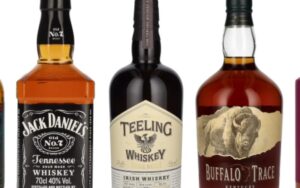
What are the most popular Whiskey brands
If you’ve ever wondered, What are the most popular Whiskey brands, you’re not alone. From smoky Scotch to smooth Tennessee sippers, the answer isn’t just about price or prestige—it’s about history, flavor, and the rituals we build around a glass. Here’s a clever, concise tour of brands that consistently light up shelves and social media alike. How to Store Whisky
Why popularity matters (and what it doesn’t)
– Popularity often signals consistency and accessibility. If a brand is widely sought after, it usually means a reliable flavor profile, strong distribution, and recognizable packaging.
– It doesn’t always equal brilliance for every palate. The most popular bottles may be crowd-pleasers rather than “best” for your own taste.
– Trends shift with time, regional preferences, and new releases. The list of What are the most popular Whiskey brands is dynamic, not fixed.
A quick map of the most influential players
Here are brands that consistently appear in “top” lists, store displays, and bar menus around the world. They cover bourbon, Scotch, Irish, and world-whiskey categories, offering a snapshot of popularity across styles.
1) Jack Daniel’s (Tennessee, USA)
– Why it’s popular: Iconic shape, approachable sweetness, and a broad global footprint. The Old No. 7 profile is instantly recognizable.
– Best-known bottlings: Jack Daniel’s Old No. 7, Gentleman Jack, and Jack Daniel’s Tennessee Whiskey.
– Ideal for: Everyday sipping, cocktails like the Lynchburg Lemonade, and anyone new to whiskey.
2) Jameson (County Cork, Ireland)
– Why it’s popular: Smooth, light, and versatile for mixers or neat pours. A gateway Irish whiskey with mass appeal.
– Best-known bottlings: Jameson Original, Jameson Black Barrel.
– Ideal for: Irish whiskey novices and classic cocktails such as the Irish Coffee.
3) Johnnie Walker (Scotland)
– Why it’s popular: A broad range from entry-level to luxury, with consistent branding and a “Walker” ladder of flavor.
– Best-known bottlings: Johnnie Walker Black Label, Red Label, and the higher-end Blue Label.
– Ideal for: Social sipping and gifting; great for blended Scotch lovers and newcomers alike.
4) Glenfiddich (Dufftown, Scotland)
– Why it’s popular: One of the best-selling single malts with a strong, accessibly fruity profile.
– Best-known bottlings: Glenfiddich 12 Year Old, 15 Year Old Solera, 18 Year Old.
– Ideal for: Those exploring single malts or looking for a reliable “first single malt” experience.
5) The Macallan (Moray, Scotland)
– Why it’s popular: Luxury branding, consistent quality, and rich, sophisticated flavors often favored by collectors.
– Best-known bottlings: The Macallan Sherry Oak 12/18, Macallan 25, private releases.
– Ideal for: Special occasions, connoisseur-curious drinkers, and premium gifting. How to Store Whisky
6) Buffalo Trace (Kentucky, USA)
– Why it’s popular: Award-winning bourbons at accessible price points. Rich history and strong distillery storytelling.
– Best-known bottlings: Buffalo Trace, Eagle Rare, W.L. Weller lineup (where available).
– Ideal for: Bourbon newcomers and seasoned tasters seeking value and depth.
7) Bulleit (Kentucky, USA)
– Why it’s popular: High-rye mash bill gives a spicy kick that’s lively in cocktails and neat.
– Best-known bottlings: Bulleit Bourbon, Bulleit Rye.
– Ideal for: Bold whiskey cocktails and spice-forward palates.
8) Ardbeg, Lagavulin, and other Islay phenoms (Scotland)
– Why they’re popular: Intensely peaty, smoke-forward profiles that attract devoted fans and adventurous tasters.
– Best-known bottlings: Ardbeg 10 Year, Lagavulin 16 Year, Laphroaig 10 Year.
– Ideal for: Those who love maritime, medicinal, or deeply smoky whiskies.
9) Nikka and Hibiki (Japan)
– Why they’re popular: Precision craftsmanship, balance, and a rising global curiosity for Japanese whiskey.
– Best-known bottlings: Nikka Yoichi/ Miyagikyo, Hibiki Harmony.
– Ideal for: Curious palates seeking harmony and refined sweetness.
10) Crown Royal, Canadian Club (Canada)
– Why they’re popular: Smooth, light, and easy to enjoy neat or with mixers. A staple in many home bars.
– Best-known bottlings: Crown Royal Deluxe, Crown Royal XR, Canadian Club 100% Rye.
– Ideal for: Quick, reliable pours and crowd-friendly cocktails.
How to taste like a pro without pretension
– Start with the scent: Swirl gently, sniff softly, note fruit, spice, oak, or sherried notes.
– Take a small sip, let it coat the tongue, and pause. Identify sweetness, acidity, bitterness, and alcohol warmth.
– Compare styles: A bourbon’s sweetness often contrasts with a Scotch’s smoke or an Irish whiskey’s lightness.
– Pair with a pointer: A simple cheese board, dark chocolate, or a citrusy mixer can elevate the experience. How to Store Whisky
What to consider when choosing
– Flavor profile: Do you want sweet, spicy, smoky, or fruity?
– Occasion: Everyday sipper vs. special occasion bottle.
– Budget and availability: Popular brands are easier to find but may vary by market; there are excellent hidden gems at every price point.
– Cask type and age: Sherry finishes, bourbon barrels, rye content, and age statements influence flavor dramatically.
A note on diversity and discovery
The brands listed above are popular for a reason, but the world of whiskey is vast. Explorers should also seek lesser-known distilleries and regional specialties to find personal favorites. If you’re asking, What are the most popular Whiskey brands, you’ll likely encounter the names above—but don’t be afraid to chase a new bottle down a curious trail.
Bottom line
What are the most popular Whiskey brands? The answer is a blend of heritage, accessibility, and flavor that resonates across continents. Whether you prefer a smooth Tennessee whiskey, a smoky Islay dram, or a bright Canadian rye, the top brands offer reliable introductions to the wide, whiskey-rich world. Cheers to your next bottle, wherever your palate leads.

Whiskey Wholesale Suppliers and Distributors
If you’re running a bar, restaurant, or online shop, your success often hinges on one thing: access to the right whiskey at the right price. Navigating the world of Whiskey Wholesale Suppliers and Distributors can feel like chasing a rare cask, but with the right approach, you’ll unlock consistency, variety, and reliability that keep customers coming back.
Why wholesalers matter in the whiskey game
– Consistency and scale: Wholesale suppliers offer steady access to large quantities, helping you maintain menu variety without juggling dozens of individual producers.
– Competitive pricing: Buying in bulk typically unlocks better margins, promotional pricing, and better freight terms.
– Range and exclusivity: Trusted distributors can bring rare limited editions, regional labels, and exclusive bottlings that give your offerings a distinct edge.
– Compliance and quality control: Reputable wholesalers handle documentation, aging proofs, and authenticity checks, reducing risk for your business.
What to look for in Whiskey Wholesale Suppliers and Distributors
1) Product portfolio and sourcing ethics
– Do they carry a balanced mix of mainstream stalwarts and niche labels?
– Are they transparent about distillery partners, aging proofs, and bottling origins?
– Do they emphasize sustainable or ethical sourcing, such as responsible aging, fair trade, or regional partnerships?
2) Pricing, terms, and reliability
– Look for transparent price tiers, bulk discounts, and flexible payment terms (net terms, early-pay discounts).
– Check freight options, lead times, minimum order quantities, and return policies.
– Ask for sample orders to verify product quality before committing to larger purchases.
3) Logistics and service level
– Do they offer reliable shipping with proper temperature controls and secure packaging?
– Can they provide warehousing or drop-ship services if needed?
– What is their response time for inquiries and problem resolution?
4) Compliance and documentation
– Are they compliant with local beverage regulations, import/export rules, and tax requirements?
– Do they provide proper batch labels, lot tracking, and documentation for audits?
5) Reputation and partnerships
– Seek reviews from other retailers, bars, and hospitality groups.
– Ask for references or case studies that demonstrate consistent fulfillment and support.
How to evaluate a potential partner: a practical checklist
– Request a current product list with pricing and MOQ (minimum order quantity).
– Ask for a few client references and a sample order.
– Inquire about private-label or exclusive bottlings if that’s part of your strategy.
– Confirm cold-chain capabilities for fragile or high-end whiskeys.
– Review contract terms: termination clauses, price protection, and forecast alignment.
Niche tips for whiskey retailers and bars
– Build a tiered strategy: reserve a core group of dependable, widely available whiskeys and supplement with limited editions from Whiskey Wholesale Distributors for special events.
– Create a “house selection” program: a rotating lineup sourced through a trusted distributor can drive curiosity and repeat visits.
– Use data to negotiate: share your forecast, event calendars, and monthly volumes to secure better pricing or bonus allocations.
Trends shaping Whiskey Wholesale Suppliers and Distributors today
– Direct-to-consumer and DTC capabilities: Some distributors now offer DTC fulfillment or white-glove delivery, enabling small retailers to tap into limited releases without heavy inventory risk. How should I store whiskey
– Transparency and provenance: Buyers increasingly demand provenance, distillery partnerships, and terroir stories to pair with menus and marketing. How to Store Whisky
– Sustainability and climate considerations: Carbon footprint awareness nudges buyers toward suppliers with sustainable warehousing, optimized logistics, and recyclable packaging.
– Digital-first procurement: Online catalogs, real-time stock counts, and e-fulfillment are becoming standard, reducing back-and-forth and speeding replenishment.
How to work effectively with Whiskey Wholesale Suppliers and Distributors
– Build a forecast: Share 6–12 weeks of anticipated demand to help partners plan allocations and avoid stockouts.
– Establish regular business reviews: Quarterly check-ins on product performance, seasonal promotions, and pricing ensure alignment.
– Leverage marketing support: Ask about staff training, tasting notes, POS materials, and seasonal promotions to amplify sales.
– Negotiate smartly: Bundle high-margin items with staples, secure promotional pricing for events, and set review dates for term renewals.
– Maintain quality control: Regularly sample shipments, verify bottle integrity, and keep a clean, organized receiving process to flag discrepancies early.
Common mistakes to avoid
– Over-reliance on a single supplier: Diversify to mitigate risk and to access a broader array of labels.
– Skimping on provenance: If you can’t verify batch information and aging details, you risk consistency issues.
– Ignoring data: Let sales trends guide reorder quantities, not just gut feeling.
– Failing to plan for seasonality: Whiskey demand can swing with holidays, promotions, and events; align orders accordingly. How to Store Whisky
Case-in-point: elevating a whiskey program with the right partner
A mid-sized tasting room partnered with a reputable Whiskey Wholesale Suppliers and Distributors to expand beyond mainstream labels. They implemented a tiered program, with a stable core lineup and quarterly limited editions sourced via exclusive deals. The result: a 25% increase in average spend per guest, a 40% uplift in event-driven tastings, and fewer stockouts due to improved forecasting and reliable fulfillment. How to Store Whisky
FAQ: Whiskey wholesale and distribution essentials
– Do wholesalers sell to individuals or only businesses? Most wholesale suppliers require a business license or resale permit; some offer limited consumer sales through samples or events. How to Store Whisky
– How far in advance should I place orders? It depends on your volume and seasonal demand. A 4–8 week lead time is common for core items; 8–16 weeks or longer for rare releases.
– Can I source private-label or exclusive bottlings? Many distributors handle exclusive or private-label opportunities; discuss terms and minimums early.
Conclusion: choose your Whiskey Wholesale Suppliers and Distributors wisely
The right partner can simplify procurement, expand your inventory’s appeal, and strengthen your bottom line. When evaluating Whiskey Wholesale Suppliers and Distributors, prioritize transparency, reliability, and a shared emphasis on quality. Build a collaborative relationship, align your forecasts, and leverage marketing support to turn your whiskey program into a standout feature of your business. How to Store Whisky
If you’re ready to elevate your whiskey program, start by listing potential wholesalers, compare their terms, and request samples. The right partnership turns great whiskey into a memorable customer experience.