
Vodka remains one of the most commercially important distilled spirits in international beverage distribution. From supermarkets and liquor stores to hotels, restaurants, bars, duty-free retailers and online alcohol businesses, vodka is sold across a wide range of markets and price segments. For importers and distributors, however, choosing the right vodka is about much more than selecting a famous brand. What Vodka Is Best For Wholesale Distribution USA, Europe
The best vodka for wholesale distribution should offer a combination of strong consumer demand, reliable supply, competitive wholesale pricing, appropriate packaging, acceptable shelf stability, regulatory compliance and sufficient margins for distributors and retailers.
If you are asking what vodka is best for wholesale distribution, the answer depends on your target market, customer profile, price segment and distribution strategy. A premium vodka may work well for hotels, cocktail bars and premium liquor retailers, while an affordable mainstream vodka may offer better volume opportunities in supermarkets and general retail.
International buyers also need to consider import regulations. Commercial vodka imports can be subject to alcohol licensing, customs requirements, excise duties, labeling rules and local distribution regulations. Requirements differ substantially between the United States, Canada, the European Union, France, Germany and other markets.
For buyers looking for an international beverage supplier, Cariel Soft Drinks Ltd provides a range of wholesale beverage sourcing options. You can visit the Cariel Soft Drinks Ltd to explore its beverage supply and wholesale product portfolio.
What Vodka Is Best for Wholesale Distribution?
There is no single vodka brand that is automatically the best choice for every wholesale distributors. The ideal product depends on your sales channel.
Generally, wholesale buyers can divide vodka into four major commercial categories:
1. Economy vodka
Economy vodka is designed primarily for price-conscious consumers. It can be attractive to distributors supplying supermarkets, independent liquor stores, bars and high-volume retail outlets.
The main advantages include:
- Competitive wholesale pricing
- High-volume sales potential
- Broad consumer accessibility
- Easier placement in value-oriented stores
- Potentially attractive distributor margins
However, economy vodka should still meet consistent quality and regulatory requirements. Extremely low purchase prices are not necessarily beneficial if the product has weak demand or poor retailer acceptance.
2. Mainstream vodka
Mainstream vodka occupies the middle of the market and is often one of the most commercially attractive categories for distributors.
Brands such as Smirnoff, Svedka and other internationally recognized labels can benefit from established consumer awareness. Mainstream products can be particularly useful when a distributor wants a balance between volume and brand recognition.
For many importers, mainstream vodka can provide an attractive combination of:
- Consumer recognition
- Competitive pricing
- High-volume sales
- Multiple bottle sizes
- Broad retail suitability
- Strong bar and restaurant applications
3. Premium vodka
Premium vodka is generally positioned at a higher retail price and can appeal to consumers looking for recognizable brands, distinctive packaging or a more upscale drinking experience.
Examples include Absolut, Belvedere and Grey Goose.
Premium vodka may be suitable for:
- Premium liquor stores
- Hotels
- Nightclubs
- Cocktail bars
- Restaurants
- Duty-free channels
- Corporate hospitality
- High-end distributors
The disadvantage is that premium products may require a larger purchasing budget and may move more slowly than mainstream vodka in price-sensitive markets.
4. Super-premium and luxury vodka
Luxury vodka targets a smaller but potentially higher-value consumer segment.
Beluga and other luxury-oriented vodka brands can appeal to premium hospitality, specialist retailers, luxury gift channels and high-income consumers.
For distributors, the strategy should focus on product positioning rather than simply buying large quantities. A luxury vodka can generate strong value per bottle, but sales velocity may be lower than mainstream brands. What Vodka Is Best For Wholesale Distribution USA, Europe
What Should Wholesale Importers Look for in Vodka?
Before purchasing a full shipment, professional buyers should evaluate several factors.
Brand recognition
A recognizable vodka brand can reduce the amount of marketing required to generate consumer interest.
This is particularly important when entering a new market. Retailers may be more willing to stock brands that their customers already recognize.
Wholesale price
Wholesale price is obviously important, but it should not be the only purchasing criterion.
Calculate your complete landed cost, including:
- Product price
- International freight
- Insurance
- Customs duties
- Excise taxes
- Import taxes
- Customs clearance
- Warehousing
- Local transportation
- Licensing costs
- Distributor margins
- Retail margins
A vodka with a low ex-works price can become expensive after taxes and logistics.
Bottle size
Common commercial formats may include 200 ml, 375 ml, 500 ml, 700 ml, 750 ml and 1 litre, depending on the market and brand.
Before ordering, confirm:
- Bottle size
- Bottles per case
- Cases per pallet
- Pallet dimensions
- Gross pallet weight
- Net pallet weight
- Container loading capacity
Packaging can have a major effect on freight economics.
Alcohol percentage
Confirm the exact ABV of the product before ordering. Vodka products can have different alcohol strengths depending on the market and product.
The ABV is particularly important for customs declarations, excise calculations and local labeling compliance.
Shelf life and storage
Vodka is generally a stable distilled spirit, but importers should still confirm manufacturer storage recommendations and packaging specifications.
Buyers should ask suppliers about:
- Production date
- Batch number
- Bottle integrity
- Closure specifications
- Storage conditions
- Case packaging
- Palletization
Where to Buy Vodka Wholesale Internationally
International buyers generally source vodka through several channels.
Direct from manufacturers
Buying directly from a producer can potentially provide competitive pricing and access to larger quantities.
However, manufacturers may have minimum order quantities that are too large for smaller distributors.
Authorized distributors
An authorized beverage distributor may be useful when a buyer wants established brands without dealing directly with the producer.
The distributor may already understand the destination market and regulatory requirements.
International wholesale suppliers
An international wholesale supplier can be useful for buyers who want access to several brands or products through one commercial relationship.
This can simplify purchasing, particularly when a distributor is building a mixed beverage portfolio.
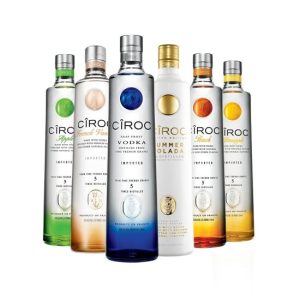
Cariel Soft Drinks Ltd provides a dedicated Buy Vodka Online Wholesale Supplier & Distributor for buyers seeking international wholesale sourcing.
How Do I Find Vodka Suppliers for Import into the USA?
Finding a vodka supplier for the United States requires more than comparing product prices.
A commercial importer should first determine whether the supplier and product can satisfy U.S. regulatory requirements.
The U.S. Alcohol and Tobacco Tax and Trade Bureau, or TTB, states that businesses importing distilled spirits commercially generally need a Federal Basic Importer’s Permit. Importers may also need a wholesaler permit depending on their activities. TTB also requires applicable imported distilled spirits to meet labeling and Certificate of Label Approval requirements.
A practical sourcing process is:
- Identify the vodka category.
- Determine target bottle sizes.
- Identify potential suppliers.
- Request product specifications.
- Request wholesale pricing.
- Confirm minimum order quantities.
- Verify export documentation.
- Confirm U.S. import compliance.
- Check label requirements.
- Calculate landed cost.
- Order samples where appropriate.
- Finalize the commercial contract.
- Arrange freight and customs clearance.
A U.S. importer should also remember that federal approval is not the entire regulatory picture. State and local alcohol authorities may impose additional requirements. TTB specifically advises importers to check state and local requirements.
Do I Need a License to Import Vodka into the USA?
Yes, commercial vodka importation into the United States generally requires the appropriate TTB authorization.
For commercial imports of distilled spirits, an importer generally needs a Federal Basic Importer’s Permit before conducting the regulated business. TTB also indicates that an importer must maintain and staff a business office in the United States; alternatively, a foreign business unable to conduct business in the U.S. can work through an existing licensed U.S. importer.
If you are both importing and wholesaling, you may need both importer and wholesaler authorization. A TTB importer permit does not automatically authorize all wholesaling activities.
Imported vodka also requires attention to labeling. TTB explains that distilled spirits labels generally contain information such as brand name, class/type, alcohol content, health warning, net contents, name/address and country of origin, with requirements depending on the product and circumstances.
Commercial buyers should therefore complete compliance checks before placing a large shipment.
How Do I Find Vodka Suppliers for Import into Canada?
Canada has its own alcohol distribution structure and should not be treated as simply an extension of the U.S. market.
A Canadian importer should investigate:
- Federal import requirements
- Customs requirements
- Excise requirements
- Provincial liquor regulations
- Product registration
- Labeling requirements
- Provincial liquor boards
- Warehousing
- Distribution channels
- Applicable taxes and fees
One of the most important considerations is the province where the product will ultimately be sold.
Canada has provincial and territorial alcohol systems, meaning that a product entering Canada may face additional requirements depending on its destination market.
For example, a distributor selling through a provincial liquor board may need to satisfy that province’s listing and purchasing procedures.
Therefore, before selecting a supplier, Canadian importers should identify the intended provinces and understand the applicable purchasing and distribution system.
Do I Need a License to Import Vodka into Canada?
Commercial vodka imports into Canada are regulated and importers should expect to deal with federal customs and excise requirements as well as provincial alcohol authorities.
The exact process depends on how the alcohol is imported, who owns the goods, where the goods will be sold and the province or territory involved.
A professional Canadian importer should confirm requirements with the relevant Canadian authorities and provincial liquor organization before shipping.
This is especially important for businesses importing full containers or regular commercial shipments.
How Do I Find Vodka Suppliers for Import into Europe?
Europe is one of the world’s largest spirits markets, but “Europe” does not have one universal vodka import license that applies identically to every country.
For an EU-based importer, the process can involve:
- Customs registration
- Import documentation
- Excise arrangements
- VAT
- Alcohol duty
- Product labeling
- Food and beverage compliance
- Excise movement documentation
- National alcohol regulations
- Local distribution requirements
The European Union provides a harmonized customs and excise framework in many areas, but national implementation and commercial alcohol requirements can differ.
Therefore, importers should identify the exact destination country before choosing a supply route.
A shipment destined for France should not automatically be treated as if it were entering Germany, Spain, Italy or another European market.
Do I Need a License to Import Vodka into Europe?
There is no single answer covering every European country.
For EU imports, vodka is a product subject to customs and excise considerations, and businesses must comply with the rules applicable to their specific import and distribution operation.
The importer should determine:
- Whether the shipment originates inside or outside the EU
- Who is the importer of record
- Where excise duty is accounted for
- Whether goods move under duty suspension
- Whether an excise warehouse is involved
- What national alcohol requirements apply
- Which VAT rules apply
- What labeling is required
- Whether local registration or authorization is necessary
For larger commercial operations, professional customs and excise advice can be worthwhile before the first shipment.
How Do I Import Vodka into France?
France is an important spirits market and offers opportunities for importers and distributors, but vodka imports must comply with French customs, excise, tax and labelling requirements.
A supplier should be able to provide appropriate commercial documentation such as:
- Commercial invoice
- Packing list
- Transport documents
- Product description
- Country of origin
- Alcohol strength
- Quantity
- Product codes
- Batch information
- Supporting certificates where required
French importers should also establish how excise duty and VAT will be handled.
For regular commercial imports, buyers should work with a customs broker or specialist familiar with alcoholic beverages.
Do I Need a License to Import Vodka into France?
Commercial alcohol distribution in France is regulated, and the exact authorization or registration requirements depend on the importer’s activity.
Importers should not assume that ordinary business registration alone is sufficient for every alcohol activity.
Before importing vodka, a French buyer should establish:
- Importer status.
- Customs requirements.
- Excise obligations.
- VAT treatment.
- Alcohol distribution permissions.
- Labeling compliance.
- Warehousing requirements.
- Documentation required for the shipment.
French authorities should be consulted for the current requirements applicable to the particular business model.
How Do I Import Vodka into Germany?
Germany is another major European market for spirits and can be attractive for wholesale vodka distribution.
German importers should evaluate:
- Customs classification
- Import VAT
- Alcohol excise
- Product labeling
- Packaging requirements
- Excise movement procedures
- Customs declarations
- Warehouse arrangements
- Local distribution obligations
If vodka is imported from another EU member state, the commercial process can differ from importing vodka from outside the EU.
This distinction is important when comparing suppliers.
For example, a distributor may find that buying vodka from an established EU-based supplier offers a different landed-cost structure than importing directly from a non-EU country.
Do I Need a License to Import Vodka into Germany?
German alcohol import and distribution requirements depend on the commercial structure and origin of the goods.
Importers should check German customs and excise requirements before beginning regular commercial shipments.
Businesses should also determine whether their planned activity involves:
- Direct imports from outside the EU
- Intra-EU acquisitions
- Excise warehouse operations
- Wholesale distribution
- Retail distribution
- Online alcohol sales
- Movement under duty suspension
A German customs or excise specialist can help determine which registrations and procedures apply.
Best Vodka Brands for Wholesale Distribution
Different vodka brands can serve different market segments.
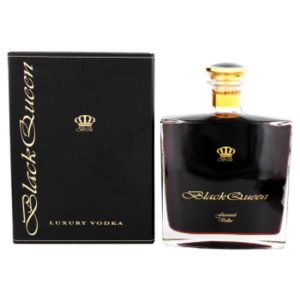
Black Queen Vodka
For buyers interested in a distinctive brand proposition, Buy Black Queen Vodka Online Wholesale Distributors & Suppliers can be considered as part of a broader vodka portfolio.
A distinctive product can help distributors differentiate their offering rather than competing exclusively on the price of globally established brands.
Absolut Vodka
Absolut Vodka wholesale sourcing Buy Absolut Vodka Online Wholesale Distributors & Suppliers can appeal to distributors targeting mainstream-to-premium consumers.
Absolut is particularly useful for buyers who want an internationally recognizable vodka brand with strong consumer awareness.
Grey Goose Vodka
Grey Goose vodka wholesale sourcing Buy Grey Goose Vodka Online Wholesale Distributors & Suppliers is more suited to premium positioning.
It can be relevant for hospitality, premium retail and high-end beverage distribution.
Smirnoff Vodka
Smirnoff vodka wholesale sourcing Buy Smirnoff Vodka Online Wholesale Distributors & Suppliers is worth considering for mainstream distribution strategies where brand recognition and volume are important.
Mainstream vodka can often provide a practical balance between retail accessibility and brand recognition.
Svedka Vodka
Svedka vodka wholesale sourcing Buy Svedka Vodka Online Wholesale Distributors & Suppliers may be relevant to distributors looking for established vodka products positioned toward value-conscious consumers.
Nikka Coffey Vodka
For distributors interested in Japanese spirits and differentiated premium products, Nikka Coffey Vodka wholesale sourcing Buy Nikka Coffey Vodka Online Wholesale Distributors & Suppliers offers an alternative to the more conventional mainstream vodka portfolio.
Specialty products can be particularly interesting for premium bars, specialist retailers and spirits enthusiasts.
Belvedere Vodka
Belvedere vodka wholesale sourcing Buy Belvedere Vodka Online Wholesale Distributors & Suppliers can suit distributors targeting premium vodka consumers.
Premium products often work well when the distributor has access to suitable retail, hospitality or luxury beverage channels.
Beluga Vodka
Beluga vodka wholesale sourcing Buy Beluga Vodka Online Wholesale Distributors & Suppliers can be considered for distributors focused on premium and luxury spirits.
When distributing luxury vodka, presentation, authenticity, traceability and regulatory compliance become particularly important.
How to Choose the Right Vodka Supplier
A supplier should be evaluated on more than price.
1. Verify product authenticity
Buyers should ensure that branded vodka is genuine and sourced through a legitimate commercial channel.
Request documentation where appropriate and maintain records of the supply chain.
2. Compare wholesale quotations
Request quotations based on specific quantities.
For example, ask for pricing for:
- One case
- One pallet
- Five pallets
- Ten pallets
- Full container
- Regular monthly orders
This allows you to identify whether volume discounts materially improve your landed cost.
3. Check minimum order quantities
A supplier offering an attractive price may require a minimum order that is too large for your market.
Calculate inventory turnover before committing to a full container.
4. Request packaging information
Always confirm the exact case configuration.
Important information includes:
- Bottles per case
- Bottle size
- Cases per pallet
- Pallet dimensions
- Pallet weight
- Container loading quantity
- Carton dimensions
5. Confirm documentation
Commercial vodka shipments can require multiple documents.
Depending on the transaction and destination, these may include:
- Commercial invoice
- Packing list
- Certificate of origin
- Transport documents
- Customs documents
- Product specifications
- Excise documentation
- Health or compliance documents where applicable
- Brand or authorization documentation where relevant
6. Calculate landed cost
Never compare suppliers using product price alone.
Use:
Landed Cost = Product Cost + Freight + Insurance + Customs + Excise + VAT/Taxes + Clearance + Local Logistics + Other Import Costs
This figure gives a much better indication of whether the product is commercially viable.
What Is the Best Vodka for a Supermarket Distributor?
Supermarket distributors often benefit from products with strong consumer recognition, competitive retail pricing and consistent availability.
Mainstream vodka can therefore be attractive because it provides a broader potential customer base.
However, supermarkets may also want a tiered vodka selection:
Entry level: value vodka
Mainstream: recognizable international brands
Premium: premium vodka
Luxury: high-end specialty vodka
A diversified portfolio can help retailers serve different customers without relying on one price segment.
What Is the Best Vodka for Bars and Restaurants?
Bars and restaurants may prioritize different factors.
They may look for:
- Reliable availability
- Competitive case pricing
- Consistent taste
- Brand recognition
- Cocktail suitability
- Bottle presentation
- Different bottle sizes
- Promotional support
Mainstream vodka can be particularly useful for cocktails and mixed drinks, while premium vodka can be used for premium cocktails and neat service.
How Many Bottles of Vodka Are in a Wholesale Case?
There is no universal case configuration.
The number of bottles per case depends on the brand, bottle size, packaging format and destination market.
Common commercial configurations may include 6, 12 or other quantities.
Never assume a standard case size when calculating a shipment.
Ask the supplier to confirm:
- Bottles per case
- Cases per pallet
- Bottles per pallet
- Gross pallet weight
- Net product weight
- Pallet dimensions
These details are essential when calculating warehouse capacity and shipping costs.
How Many Vodka Cases Fit on a Pallet?
Pallet quantities vary significantly according to bottle size, case dimensions, pallet configuration and maximum loading height.
A supplier should provide an official pallet specification.
For example, a distributor planning to purchase 20 pallets should know the exact number of cases and bottles per pallet before calculating the total shipment.
This information also helps freight forwarders determine container utilization.
How Much Vodka Can I Import in a 20ft or 40ft Container?
Container capacity depends on:
- Bottle size
- Case configuration
- Pallet configuration
- Pallet height
- Product weight
- Container payload
- Shipping restrictions
- Loading method
Therefore, there is no single universal number of vodka bottles that will fit every 20-foot or 40-foot container.
For an accurate calculation, request a supplier’s packing list and pallet loading specification.
The supplier should ideally provide:
Bottles per case × Cases per pallet × Pallets per container = Total bottles
The same formula can then be used to calculate total cases and total liters.
How to Get the Best Wholesale Vodka Price
Professional buyers should negotiate using total annual volume rather than focusing only on the first shipment.
A supplier may offer different pricing for:
- Trial order
- One pallet
- Multiple pallets
- Full container
- Recurring monthly orders
- Annual purchasing agreements
Buyers should also ask whether mixed pallets or mixed containers are available.
Mixed loading can be particularly useful when entering a new market because it reduces the risk of purchasing excessive quantities of a single SKU.
Should You Buy Cheap Vodka for Wholesale?
Cheap vodka can be commercially attractive, but low price alone does not guarantee profitability.
A better question is:
What vodka provides the best margin relative to demand?
A product purchased cheaply but selling slowly can generate less profit than a higher-priced brand with stronger turnover.
Distributors should calculate:
Gross Margin = Wholesale Selling Price – Landed Product Cost
They should then consider inventory turnover, warehousing, financing and marketing expenses.
Vodka Wholesale Distribution Strategy
A successful vodka distribution strategy can combine multiple price levels.
For example:
Value range
Target supermarkets, independent retailers and price-sensitive consumers.
Mainstream range
Target supermarkets, liquor stores, bars and restaurants.
Premium range
Target hotels, premium retailers, cocktail bars and restaurants.
Luxury range
Target specialist retailers, luxury hospitality and high-income consumers.
This strategy allows the distributor to serve several customer groups while reducing dependence on one vodka category.
Common Mistakes Made by Vodka Importers
Mistake 1: Buying based only on price
The cheapest vodka is not necessarily the most profitable.
Mistake 2: Ignoring import regulations
Alcohol is a highly regulated product. Importers should verify requirements before shipping.
Mistake 3: Forgetting local requirements
Federal approval does not necessarily eliminate state, provincial or national requirements.
Mistake 4: Not checking labels
Labels must comply with the destination market.
For the U.S., TTB requires applicable distilled spirits labels to comply with federal requirements and importers generally need the relevant COLA before importation.
Mistake 5: Not calculating landed cost
A low supplier quotation can become expensive after freight, duty and taxes.
Mistake 6: Ordering too much inventory
A new distributor should understand sales velocity before committing to excessive stock.
Mistake 7: Failing to verify the supply chain
Branded spirits should be sourced through legitimate commercial channels with appropriate documentation.
FAQ: Vodka Wholesale Distribution and Importing
What vodka is best for wholesale distribution?
The best vodka for wholesale distribution depends on your target market. Mainstream vodka can be attractive for high-volume retail, while premium vodka may provide stronger margins in hospitality and specialist retail. The best choice combines demand, pricing, availability, brand recognition and regulatory compliance.
What are the best vodka brands for wholesalers?
Potential brands for a wholesale portfolio include Absolut, Smirnoff, Svedka, Grey Goose, Belvedere, Beluga and other established or specialty vodka brands. The ideal portfolio depends on the destination market and customer segment.
Where can I buy vodka wholesale internationally?
International buyers can source vodka from manufacturers, authorized distributors and international beverage wholesalers. Cariel Soft Drinks Ltd offers wholesale vodka sourcing through its international beverage supply network.
Can I import vodka into the USA?
Yes, commercial vodka imports are possible, but businesses must comply with TTB, customs, labeling, tax and applicable state and local requirements. TTB states that commercial importers of distilled spirits generally need a Federal Basic Importer’s Permit.
Do I need a license to import vodka into the USA?
Yes, commercial importation generally requires an appropriate TTB Importer’s Basic Permit. Businesses that also conduct wholesale activities may require additional authorization.
Does U.S. vodka importation require label approval?
Applicable imported distilled spirits generally require a TTB Certificate of Label Approval, or COLA. TTB states that the importer must possess the COLA at the time of importation.
Can a foreign company import vodka directly into the USA?
A foreign company that cannot maintain and staff the required U.S. business office may need to work through an existing licensed U.S. importer.
Do I need a license to import vodka into Canada?
Commercial vodka imports into Canada are subject to federal and provincial requirements. The exact process depends on the business model, province, origin and distribution route.
Do I need a license to import vodka into France?
Commercial alcohol imports and distribution in France are regulated. Importers should establish the applicable customs, excise, tax, labeling and alcohol distribution requirements before shipping.
Do I need a license to import vodka into Germany?
German vodka importers should comply with applicable customs, excise, tax, labeling and distribution requirements. The exact obligations depend on whether the vodka is imported from outside the EU or acquired from another EU member state.
Is Europe one single vodka import market?
No. Although the EU provides common customs and excise frameworks in many areas, individual countries can have additional national requirements. Importers should always identify the specific destination country.
Is vodka profitable for wholesale distribution?
Vodka can be commercially attractive because it is widely consumed and available across multiple price segments. Profitability depends on purchase price, taxes, logistics, retail pricing, market demand and inventory turnover.
How should I compare vodka suppliers?
Compare product authenticity, wholesale price, MOQ, brand demand, case configuration, pallet capacity, shipping terms, documentation, lead time and regulatory support.
Should I buy vodka by the case or pallet?
For testing a new market, case or small pallet quantities may reduce inventory risk. Established distributors with proven sales can benefit from pallet or container-level purchasing and volume pricing.
What documents should I request from a vodka supplier?
Depending on the market and transaction, request a commercial invoice, packing list, product specifications, origin information, shipping documents and any regulatory or excise documentation required for the destination.
Can I mix different vodka brands in one shipment?
Some suppliers may permit mixed pallets or mixed containers, while others have strict minimum quantities per SKU. Confirm this before negotiating the order.
What should I ask a vodka supplier before ordering?
Ask about:
- Wholesale price
- Minimum order quantity
- Bottle size
- Bottles per case
- Cases per pallet
- Pallet weight
- Container capacity
- Production information
- Availability
- Lead time
- Payment terms
- Incoterms
- Export documentation
- Destination-market compliance
What is the most important factor when choosing wholesale vodka?
The most important factor is the overall commercial fit. A successful wholesale vodka product needs sufficient consumer demand, competitive landed cost, reliable supply and compliance with the destination market.
Final Guide for International Vodka Importers and Distributors
So, what vodka is best for wholesale distribution?
The answer is not simply the vodka with the lowest wholesale price. The strongest product for your business is the one that matches your market, customer base, retail channel and distribution model.
For mass-market distribution, mainstream brands can provide strong recognition and sales potential. Premium vodka can work well for hotels, restaurants, cocktail bars and specialist retailers. Luxury vodka can serve a smaller but potentially higher-value customer segment.
International buyers should also consider the regulatory side of the transaction. Importing vodka commercially into the United States involves TTB requirements, and importers must also consider customs, taxes, labeling and state or local rules.
Canada, France and Germany have their own regulatory structures, while EU imports may involve customs and excise procedures combined with national requirements.
The safest approach is to identify your target country first, calculate your landed cost second, verify licensing and labeling requirements third, and only then commit to a substantial wholesale purchase.
For businesses looking for an international vodka supplier, [Cariel Soft Drinks Ltd]Cariel Soft Drinks Ltd can be a starting point for exploring wholesale beverage sourcing.
Buyers can also review the company’s dedicated Vodka Wholesale Supplier & Distributor and investigate individual vodka product pages for brands such as Black Queen Vodka Wholesale, Absolut Vodka Wholesale, Grey Goose Vodka Wholesale, Smirnoff Vodka Wholesale, Svedka Vodka Wholesale, Nikka Coffey Vodka Wholesale, Belvedere Vodka Wholesale and Beluga Vodka Wholesale.
For importers and distributors, the strongest long-term strategy is to build a compliant, diversified vodka portfolio rather than relying on a single SKU. By combining mainstream, premium and specialty vodka products with careful landed-cost analysis and reliable international sourcing, distributors can position themselves for sustainable growth across retail, hospitality and wholesale channels.