
What Is the Best Temperature to Drink Beer?
What is the best temperature to drink beer? The ideal beer serving temperature depends on the beer style, alcohol content, and flavor profile. While many people prefer beer very cold, serving it too cold can reduce the aromas and flavors that make certain beers enjoyable.
For most lager beers and light beers, a serving temperature of around 3–7°C (37–45°F) provides a crisp, refreshing experience. This temperature range works well for popular lagers, pilsners, and other refreshing beers.
Wheat beers, pale ales, and IPAs are generally better slightly warmer, around 7–10°C (45–50°F). A warmer serving temperature allows more hop, malt, fruit, and spice aromas to become noticeable.
For stouts, porters, Belgian ales, and stronger craft beers, approximately 10–13°C (50–55°F) can help reveal deeper roasted, caramel, chocolate, fruit, and malt flavors.
When storing beer, keeping it consistently cool and away from direct sunlight is important. For serving, however, the best temperature ultimately depends on the individual beer and personal preference.
FAQ: What Is the Best Temperature to Drink Beer?
What temperature is best for lager beer?
Most lagers are enjoyable at approximately 3–7°C (37–45°F).
Should beer be served ice cold?
Not always. Very cold temperatures can suppress aroma and flavor, particularly in stronger or more complex beers.
What temperature is best for IPA?
Many IPAs are best served around 7–10°C (45–50°F) to allow hop aromas and flavors to develop.
What temperature is best for stout?
Stouts can be served warmer, generally around 10–13°C (50–55°F).
Does beer temperature affect taste?
Yes. Temperature can significantly influence a beer’s aroma, carbonation, bitterness, sweetness, and overall flavor perception.
Lager fans know there’s more to a great pint than hops and malt. Temperature can make or break the crisp, refreshing character that defines lagers. If you’ve ever asked, “What temperature should lager beer be served at?” you’re about to unlock a simple rule of thumb that makes a noticeable difference—from home fridges to crowded bars. For Lager Beer Wholesale, Soft Drinks Wholesale and Wholesale Energy Drinks Cariel Soft Drinks LTD is the right place
The baseline: why temperature matters
Lager is brewed cold and conditioned to be smooth and clean. When served too warm, the malt sweetness can feel cloying, carbonation seems flat, and any hop bitterness can gnaw at the palate. When served too cold, adjunct flavors—like malt, yeast esters, or subtle spice notes—can recede, and the aroma of the beer takes a backseat. The right temp helps the beer express its intended balance, aroma, and mouthfeel.
What temperature should lager be served at, exactly?
– Light lagers (pilsners, pale lagers): 38–45°F (3–7°C). This range emphasizes crispness and drinkability, ideal for sunny days, patios, and casual tasting sessions.
– Creamy, smooth lagers (hoppy IPLs, some amber-lager hybrids): 40–45°F (4–7°C). You’ll keep the refreshing bite without washing out malt character.
– Darker or more malt-forward lagers (Vienna, Dortmunder, Munich-style): 45–50°F (7–10°C). A touch warmer helps reveal caramel sweetness, roasted notes, and a fuller body. What is the Best Temperature to Drink Beer
Tips to hit the sweet spot
– Consistency matters. If you’re serving beers from a keg or bottle, keep your serving line or fridge at a steady temperature. Fluctuations dull flavor and aroma.
– Use a proper glass. A clean, appropriately sized glass enhances aroma release and carbonation perception. Rinse with cold water just before pouring; avoid soap residue, which can affect head retention.
– Chill, then wait. If you pull a beer from the fridge and want it perfect, give it a minute after pouring to settle and open up.
– Adjust for style, not just color. Two lagers of similar appearance can have very different ideal temperatures depending on hop intensity and malt sweetness.
Draft vs. bottle: any differences?
– Draft lagers: A well-regulated draft system shines at the mid-to-low end of the recommended range (38–45°F). Consistent pressure and glass cleanliness keep the head, carbonation, and aroma in harmony.
– Bottled lagers: If your fridge runs a touch cooler (near 38–40°F / 3–4°C), you can still offer a crisp pour, particularly for lighter lagers. For richer lagers, a slightly warmer pour (45°F / 7°C) can reveal depth.
Common missteps to avoid
– Serving a summer lager at fridge-cold temperatures (32–34°F / 0–1°C). It dulls aroma and can mask bitterness too much.
– Over-chilling dark lagers. If you’re hiding flavor under zero, you’ll miss roasted, caramel, and toasty notes.
– Ignoring glass cleanliness. A dirty glass kills head retention and flatters no beer.
How to teach your palate to recognize the right temp
– Do a quick “thermometer test.” Pour the same lager at two different temperatures (one cold, one slightly warmer) and notice aroma, bite, and finish. You’ll likely pick a preferred range for that beer.
– Compare with friends. A quick flight—three lagers of similar style but served at different temps—helps identify which temperature best suits your taste.
A note on distribution and the industry
For Beer Wholesalers and retailers, controlling temperature throughout the supply chain is crucial. Temperature abuse can degrade shelf life and flavor profile, making it harder for customers to connect with a beer’s true character. Clear temperature guidelines and properly calibrated coolers help ensure the beer arrives tasting as the brewer intended.
What about popular lagers and how temperature affects them?
– Light lagers and pilsners from popular lager brands—particularly those with bright hops or subtle malt sweetness—often shine around 38–42°F (3–6°C). This range preserves crispness and hop sparkle.
– Malty or darker lagers, such as Munich-style or Dortmunder varieties, often show their best flavor between 45–50°F (7–10°C). This warmth helps reveal caramel and roasted notes without masking them under cold.
– Specialty or seasonal lagers may demand slightly different temps to highlight unique yeast flavors or spice additions. When in doubt, start cooler and warm gently to taste.
Popular lager brands and breweries: a quick guide
Heineken Wholesale
Budweiser Wholesale
Corona Wholesale
Stella Artois Wholesale
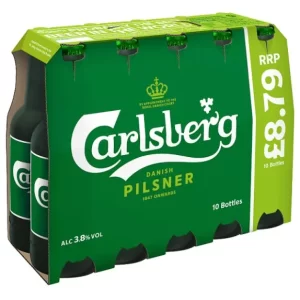
Carlsberg Wholesale
– If you’re exploring “Popular lager brands and breweries,” consider starting with a few classics and then branching out to regional craft names. The core idea is to sample a range and note how temperature shifts alter aroma and mouthfeel.
– For approachable feedback, pair a light classic with a premium craft lager from a well-rated brewery. Observe how temperature nuances influence bitterness, body, and finish across styles.
A quick care checklist for venues and home bars
– Keep a dedicated beer fridge or keg cabinet at the mid-to-low end of the recommended range for your most common lagers (roughly 38–45°F / 3–7°C).
– Offer a temperature cue card near taps or bottles, so guests know the ideal pour temperature for their beer.
– Use temperature-controlled taps when possible to minimize warming as beer travels from keg to glass.
– Train staff to recognize signs of temperature abuse (skunky aroma, flat carbonation, off-tastes) and replace or rotate as needed.
A fun, practical takeaway
If you remember one thing: think of lager serving temperatures as a dial, not a fixed rule. The right setting depends on the beer’s style, your preference, and the drinking context. For many light lagers, aim for a cool 38–42°F. For more caramel-malt-forward lagers, lean warmer around 45–50°F. Adjust based on aroma, balance, and how you want the finish to feel.
Conclusion
What Temperature Should Lager Beer Be Served At? The short answer is: it depends on style, but a practical range exists that brings out the best in most lagers. By prioritizing consistent temperatures, choosing the right glass, and understanding how style interacts with temperature, you’ll unlock a more enjoyable, flavorful lager experience—whether you’re pouring at home, behind a bar, or working with Beer Wholesalers to stock the right condition and selection.
If you’re drafting a tasting menu, writing a beer tasting guide, or curating a selection for a storefront, keeping these temperature principles in mind will help you connect with “Popular lager brands and breweries” and guide customers toward a satisfying pour every time.